Germanium vs Silicon Fuzz: Why Neither Really Gives You the 60s Tone

Introduction
If you’ve spent more than ten minutes on any serious guitar pedal forum, you’ve seen the question:
Is germanium or silicon better for fuzz?
It’s one of the oldest debates in the effects world — and one of the most misunderstood.
Because the fuzz sound that made history wasn’t born from a design choice.
It was born from a technical failure.
The accidental birth of fuzz

The Birth: engineer Glenn Snoddy, left, and Owen Bradley in Bradley Studio control room
The first fuzz sound ever recorded appears in 1961 on Don’t Worry by Marty Robbins. The distorted bass you hear on that track wasn’t intentional — it was caused by a faulty channel in the mixing console.
Studio engineer Glenn Snoddy was fascinated by that broken, compressed, almost collapsing tone. He later recreated the effect in a small transistor circuit, which became the Maestro FZ-1 — the first commercial fuzz pedal ever made.
That circuit used germanium transistors, not because they were “better”, but because they were the only transistors available at the time.
The first recorded fuzz tone — Marty Robbins’ “Don’t Worry” (1961).
The distorted bass sound in this song is the first fuzz ever recorded — a broken mixing console accidentally created the most iconic guitar effect in history.
What germanium actually does

Germanium transistors have three defining characteristics:
- Low forward voltage
- High leakage current
- Extreme sensitivity to temperature
In a hi-fi amplifier, these are flaws.
In a fuzz circuit, they become magic.
This instability produces soft attack, natural compression, asymmetrical clipping and a living, breathing response — exactly what you hear on classic records by The Yardbirds, The Ventures and countless 60s garage singles.
The Ventures "2000 Pound Bee" (1962): Considered one of the first recordings to highlight this distorted bumblebee sound.
Why silicon changed the sound

By the late 1960s, manufacturers switched to silicon transistors. They were cheaper, more stable and far less sensitive to heat.
This made fuzz pedals louder, brighter and more consistent — but also more rigid.
Silicon fuzz doesn’t drift, sag or misbehave. And that’s exactly what makes it feel less alive.
The uncomfortable truth about vintage fuzz

Classic fuzz pedals sound incredible because they are electrically flawed.
- They change with temperature
- They depend on battery voltage
- They interact wildly with different amps
- No two units sound exactly the same
The tone you love is not “germanium”. It is unstable electronic behavior.
So… germanium or silicon?
The honest answer is: neither, by itself.
The legendary fuzz tones came from primitive components, wide tolerances, imperfect circuits and electrical chaos — not from a clean design spec.
That’s why the best modern fuzz pedals are not just clones. They are recreations of how those old circuits behaved.
How to get real vintage fuzz tone today
Original 1960s fuzz pedals sound incredible — but they are fragile, unreliable and often cost thousands.
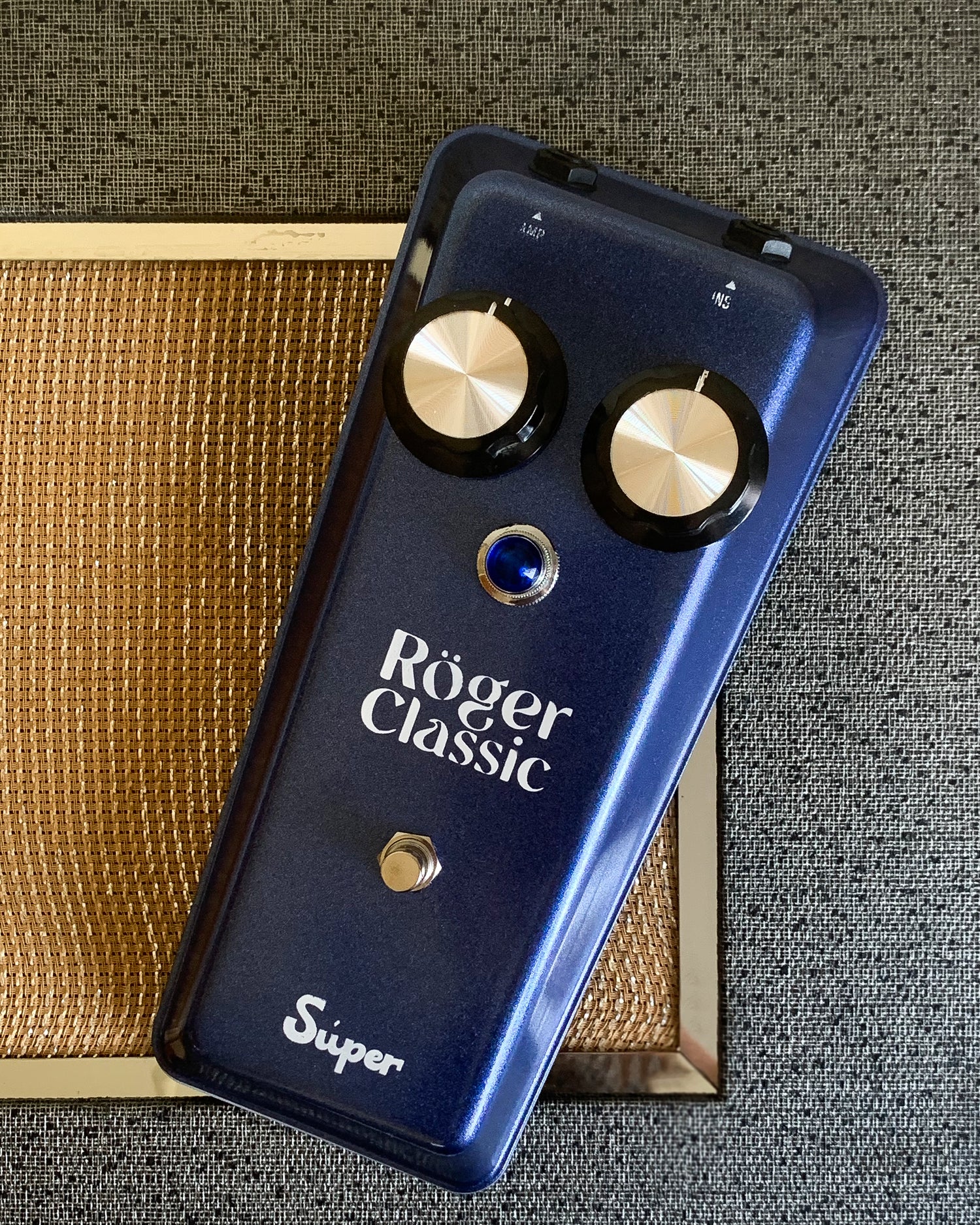
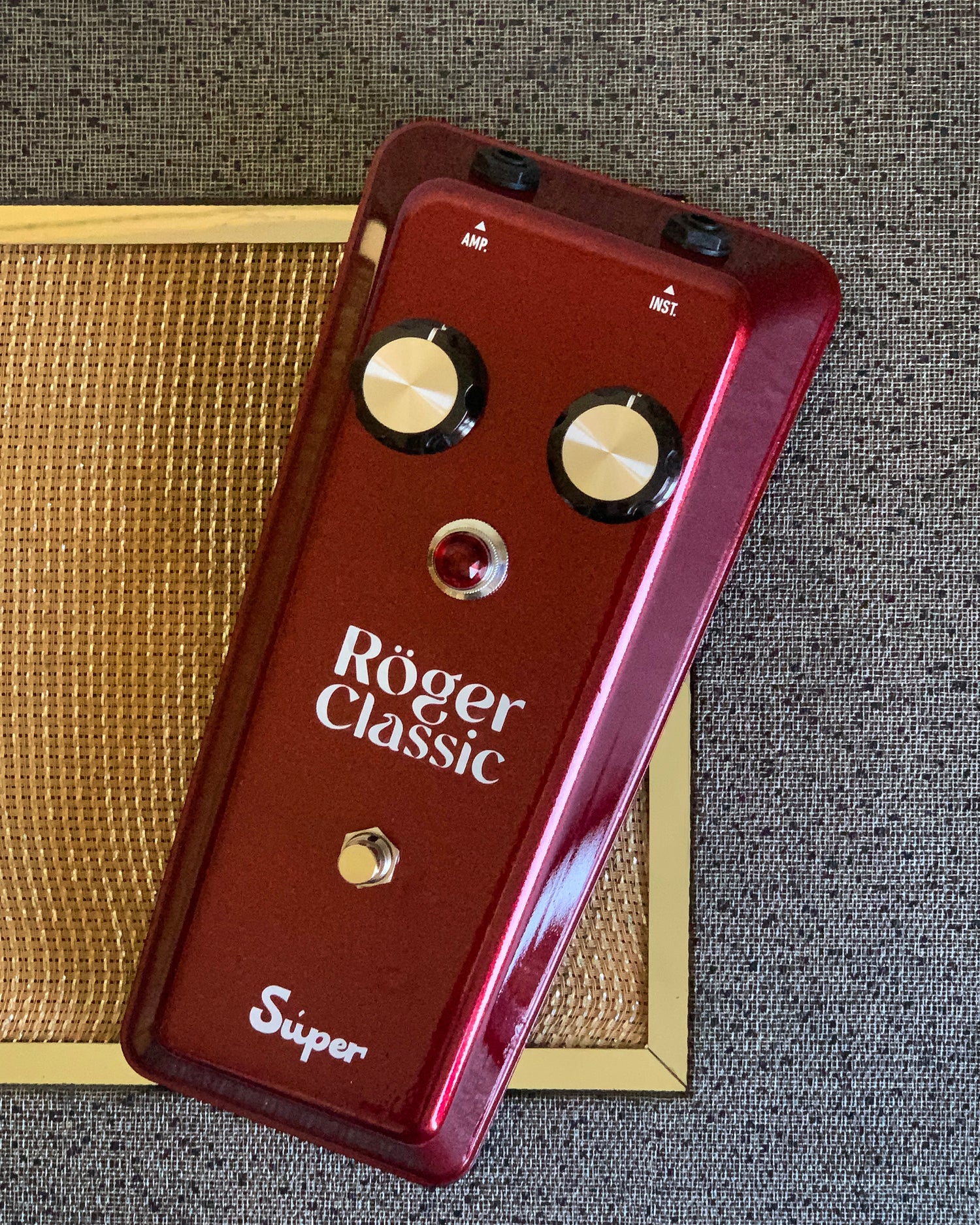
That’s why professional players today rely on modern handmade recreations that capture the compression, sag and interaction of those early circuits without the risks.
At Superpedals, we build fuzz pedals the same way the originals happened: by tuning transistors, bias and interaction — not just copying schematics.
You don’t need a museum piece to get the real 60s fuzz sound. You need a circuit that behaves the same way.